
At Vista Healthcare, we believe that a woman’s health is the foundation of a thriving family and community. Because women often act as the primary caregivers for others, their own wellness can sometimes take a back seat. However, prioritizing self-care is the best way to ensure you have the energy and health to care for those you love. From routine wellness exams and life-saving cancer screenings to specialized hormone therapy and reproductive support, we focus on the big picture of your health. By staying proactive with preventative care at every stage of life, we help you manage the small daily changes that lead to long-term vitality, ensuring you feel confident and healthy in your own skin.

Choosing the right birth control is a personal decision, and our providers are here to help you find the option that fits your health, lifestyle, and family planning goals.
During your birth control consultation, your provider will:
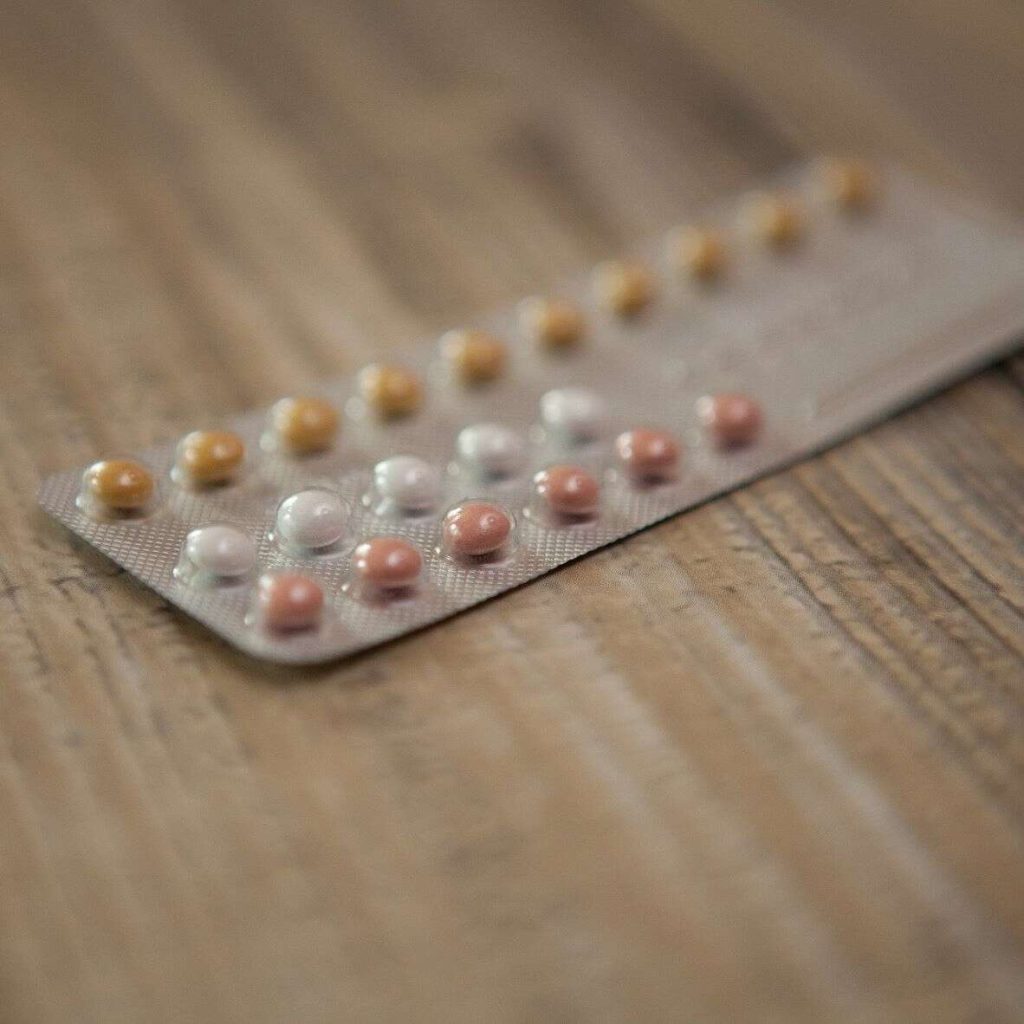
Oral Contraceptive Pills - Daily pills that use hormones to prevent ovulation and reduce the risk of pregnancy.
Vaginal Ring (NuvaRing) - A small, flexible ring placed in the vagina for three weeks at a time, releasing hormones to prevent ovulation.
Contraceptive Injection (Depo-Provera) - An injection given every three months that releases progesterone to prevent pregnancy.
Intrauterine Device (IUD – Liletta) - A small, flexible device inserted into the uterus that prevents pregnancy for up to 8 years.
If you prefer another IUD brand, a non-hormonal option, or the Nexplanon implant, we can order it through a pharmacy or refer you to another participating clinic after consultation
Our premarital exam is designed to help women entering marriage feel informed, confident, and prepared. Here’s what you can expect:
Comprehensive Health Review – Discuss your medical history, current medications, and any health concerns.
Physical Exam – Includes a general check-up, with optional breast and pelvic exams.
Reproductive Health Guidance – Learn about sexual health, fertility, and what to expect when becoming sexually active.
Birth Control Options – Explore safe and effective methods for family planning and contraception.
Personalized Advice & Q&A – Ask any questions in a private, supportive environment.
Empowerment & Education – Leave the visit feeling confident, informed, and ready for the next chapter of your life.

Regular breast exams are an essential part of every woman’s health. Early detection of changes can make treatment more effective and improve outcomes.
What we offer:
Screening Guidelines:
Why it matters:
Knowing your breasts and having regular exams helps you detect changes early and take control of your health.

Understanding your cycle helps you recognize when something may need attention.
What’s Typical?
When Cycles May Be Irregular
Signs of Heavy Menstrual Bleeding
Heavy bleeding can interfere with daily life. Watch for:
Why It Matters
Changes in your cycle or heavy bleeding may indicate hormonal imbalances, fibroids, polyps, or other conditions. Early evaluation allows us to identify the cause and discuss treatment options.
When to Call Us
Large clots, fatigue, or other concerning symptoms
Schedule an appointment if you experience:

Pain during sex is common and can affect both your physical comfort and emotional well-being.
Causes
How We Can Help
Our providers offer a safe, supportive environment to:
When to Call
Schedule an appointment if you experience pain during or after sex, discomfort that affects intimacy, or related symptoms like unusual discharge or bleeding.

We provide expert care for common women’s health conditions, including urinary tract infections (UTIs), bacterial vaginosis (BV), and yeast infections. Correct diagnosis is essential for effective treatment because the symptoms of UTIs and vaginal infections can sometimes overlap. UTIs affect the urinary system, often causing pain or burning with urination, frequent urination, or urgency. Vaginal infections, such as BV or yeast infections, primarily affect the vaginal environment and can cause discharge, odor, irritation, or itching.
Treatment for these conditions is often more complex than it appears. UTIs, for example, can become resistant to antibiotics if the same medication is used repeatedly or incorrectly. Over time, bacteria may adapt and survive standard treatments, making it necessary to use targeted therapy. This is particularly important for patients who experience recurrent infections. Similarly, BV and yeast infections require accurate diagnosis to ensure the right treatment is selected, as symptoms can overlap with other conditions.
Our providers are highly experienced in diagnosing and treating these conditions. We offer in-office testing, including urine analysis and microscopic evaluation to detect yeast. For more precise treatment, we also provide advanced lab testing that identifies the presence of infection and determines which antibiotic or antifungal will be most effective. Lab samples are collected during your visit, and results are typically available within 24 hours, allowing us to start the most effective treatment quickly.
By combining thorough evaluation, in-house testing, and targeted therapy, our team helps women regain comfort and prevent recurring infections.

Many women experience changes in sexual desire, comfort, or pleasure—especially during hormonal shifts like perimenopause. These changes are common, and support is available.
Factors That Can Affect Intimacy
Emotional & relationship factors: Stress, anxiety, depression, body image concerns, past trauma, or partner issues may reduce desire or satisfaction.
Common Concerns
How We Can Help
Our providers offer a safe, confidential space to discuss your concerns, evaluate underlying causes, and provide personalized guidance. Treatments may include vaginal health support, pelvic floor therapy, hormone or medical evaluation, or counseling/referrals to improve intimacy and sexual satisfaction.

Regular check-ups are important as your body changes through perimenopause, menopause, and postmenopause. Each stage comes with unique changes, and understanding them helps you recognize normal symptoms and know when to seek care.
Perimenopause usually begins in your 40s, though it can start earlier. Hormone fluctuations can cause irregular periods, hot flashes, night sweats, mood changes, sleep disturbances, vaginal dryness, and changes in sexual desire. This phase can last several years until periods stop completely.
Menopause is defined as 12 consecutive months without a menstrual period, typically occurring in your early 50s. Symptoms may peak during this time, and health considerations such as increased risk of osteoporosis and cardiovascular changes become more important.
Postmenopause is the phase after menopause is complete. While some symptoms may lessen, vaginal dryness, hot flashes, or sexual discomfort can continue. Focus shifts to long-term wellness, including bone and heart health, and regular screenings. Any vaginal bleeding after menopause is not normal and should be evaluated promptly.
Common Symptoms Across the Menopause Transition
How We Can Help
When to Call